




























Not Found
The requested URL /index.php was not found on this server.
Additionally, a 404 Not Found error was encountered while trying to use an ErrorDocument to handle the request.

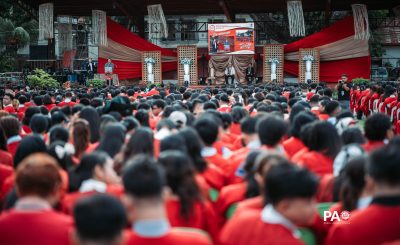
As the sun set over the WMSU grounds on June 2, candidates for graduation gathered at the university’s open field...
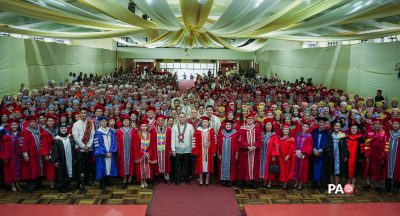
Clad in academic regalia and surrounded by proud families and mentors, 261 graduate and law students of Western Mindanao State...

The Western Mindanao State University (WMSU) held its annual Recognition Day on June 1, 2026, honoring outstanding students for academic...

Congratulations to CHED Chairperson Dr. Shirley C. Agrupis on your first year of service! Your leadership, dedication, and commitment to...

Western Mindanao State University proudly congratulates 𝗔𝗹𝗺𝗼𝗱𝗶𝗲𝗿 𝗕. 𝗝𝗮𝗺𝗮 for placing 6th in the 16th Certified Industrial Engineer Examination held...

WMSU expresses its sincere gratitude to Senator Loren Legarda for her dedicated service as Chairperson of the Senate Committee on...

WMSU extends its warmest congratulations to Senator Joel Villanueva on his appointment as the new Chairperson of the Senate Committee...

The Doctor of Public Administration (DPA) Public Research Forum invites all interested parties to the WMSU CPADS 1st Floor Conference...

A symbol of dedication, compassion, and the beginning of a greater responsibility. The College of Nursing proudly held its 49th...







The requested URL /index.php was not found on this server.
Additionally, a 404 Not Found error was encountered while trying to use an ErrorDocument to handle the request.